
“How much is my home worth?” - the golden question that property portals around the world are increasingly keen to answer for homeowners.
Ever since Zillow changed the game with their controversial but hugely popular ‘Zestimate’, property portals have been experimenting with the idea of being not only the platforms that help sell that agent’s inventory but also being a key source of that inventory as well.
Just as it seems that no self-respecting property portal company is without its data-driven content these days, increasingly that data is also being used to estimate home values and pique seller interest via so-called Automated Valuation Models (AVMs).
We took a look at 50 of the world’s biggest name portal companies to see if they have their own AVM yet and, if so, what the differences are between them…
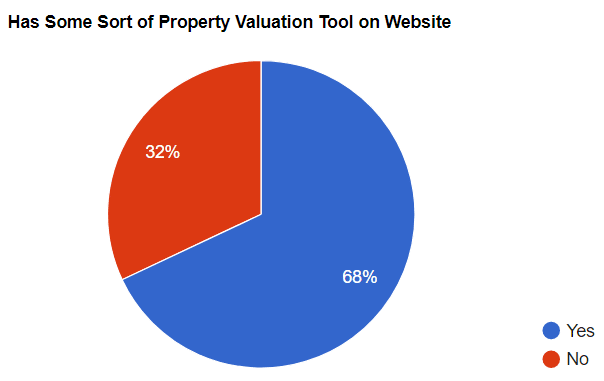
We found that over two-thirds of the world’s top property portals now have some sort of tool on their site to answer the golden question “how much is my house worth?”.
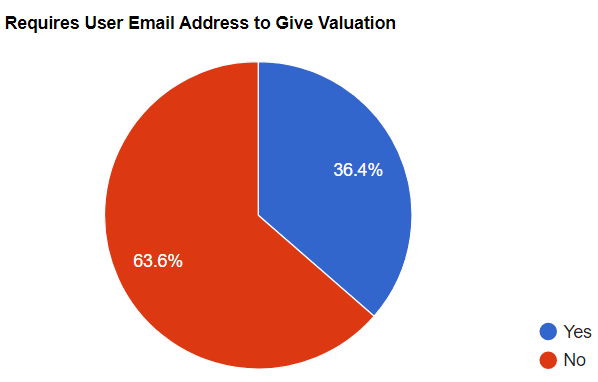
Only around a third of the AVMs we saw required a user’s email address to output a valuation.
Obviously, those portals that do require a user’s email address to output a valuation will see a much higher drop off rate and they may be in it as much to harvest user data as they are to provide a valuation estimation.
Anecdotally we found that in many markets, once an incumbent portal releases an AVM tool that does not need an email address, the others follow suit. The USA, Australia and New Zealand are good examples here.
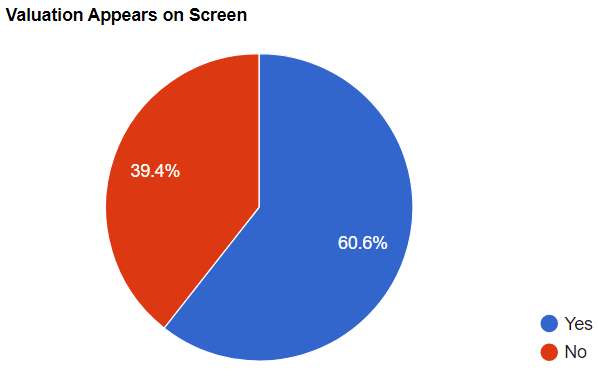
Frustratingly we found that a lot of portal valuation tools would not give us a simple on-screen valuation estimate but would either email the valuation to us, put us in touch with an agent or charge us money to see the valuation.
While the user may only want a nice round (and preferably high) number to appear on screen before them, the business case for sending that user to an agent or charging them to see the result (as is the case for Property24 in South Africa and idealista in both Portugal and Italy) is clearly quite strong in some markets with less readily available data.
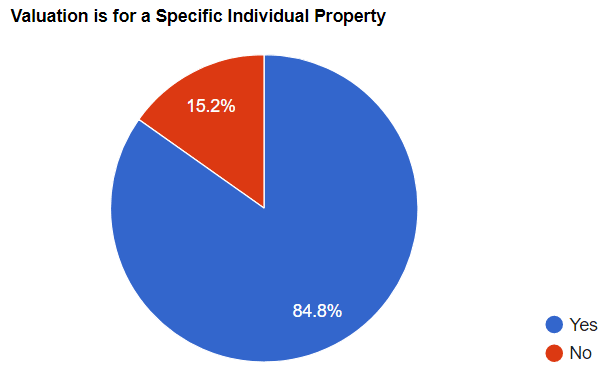
In quite a few of the countries we looked at the data available only allows portal AVMs to make valuation predictions for a subset of properties rather than one address in particular.
This is the case in markets such as Pakistan and The UAE where a lot of the housing stock that portals are interested in is likely to be cut and paste new builds yet to have been refurbished or otherwise modified.
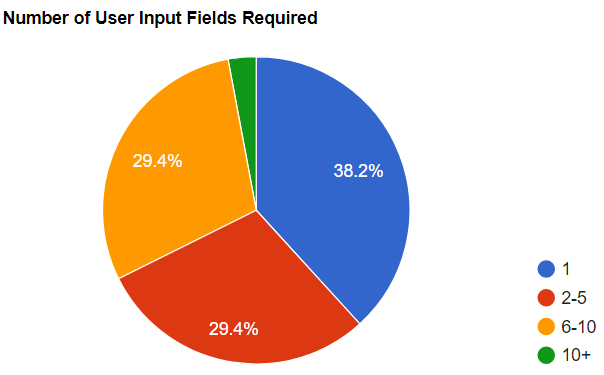
The original Zestimate is the gold standard here where the user just needs to put in their zip code to get a number on screen. Not all portal companies have the luxury of Zillow’s famous algorithm and the American housing market’s readily available data, however.
Obviously, all of the AVMs require the user to tell them at least what the postal/zip code is for their property. Other than that the most common field that users are asked to input were the number of bedrooms/rooms, property type and liveable area.
In many markets, there is an acceptance that with changing internet behaviours the volume of window shoppers on portals has increased. While the number of seller leads sent on to agents might well be going up, the quality of these leads is - anecdotally at least - going down.
Another indirect result of the global pandemic is the scarcity of housing stock in a lot of mature and developing markets around the world. What agents really want more than anything is more stock to sell. The big-name portals that don’t yet have AVMs hosted on their websites surely will soon.
The limiting factor seems to be the quality and availability of data in the market rather than the technical capabilities of property portal companies. They may all have access to average listing price data but there is so much more data that goes into producing an accurate valuation.
British challenger portal Boomin’s new valuations model, which takes in a few user input fields before sending the information on to an agent to complete the valuation, may well catch on especially in markets where data is scarce and unreliable.

Here are the people moves we spotted this week... Europe: Scout24 names new VP of Product Nicholas Parkin has...
Read More
We have some interesting names and developments from around the world in this week's roundup... North America: Google signs...
Read More
Swedish real estate portal Hemnet has reported third-quarter net sales of SEK 301.5m, down 17.8% on a year ago. These...
Read More
Aurum PropTech has released its second-quarter financial results for 2027, posting a small net profit in the process. Highlights include:...
Read More